To use coffee equipment in a home, café or commercial workspace, match its electrical requirements to the supply at the installation site. Check voltage, frequency, phase, power and current, then confirm the plug or connection and protective-earth requirements. These checks apply to electrically powered coffee machines, grinders, roasters and other coffee equipment.
A plug that fits is only one part of the decision. This guide explains the ratings, plug shapes and checks needed to confirm compatibility. The separate regional reference gives a quick destination overview; this article takes you through the confirmation process.
The equipment's rating plate and its matching instructions are the starting point. Read all the electrical fields together. A product description, a voltage option or a photograph of a plug may leave some of them unanswered.
| Rating | Meaning | What to confirm |
|---|---|---|
| Voltage — V | The electrical input voltage or range specified for the equipment. | The actual unit's supported input and the voltage available at its connection. |
| Frequency — Hz | The frequency of the alternating-current supply. | Whether the equipment supports the site's frequency, as well as its voltage. |
| Phase | The required supply arrangement, such as single-phase or three-phase. | The complete supply configuration, including any neutral requirement. |
| Power — W or kW | The power rating stated for the equipment. | The installation requirements and how this equipment contributes to the site's planned load. |
| Current — A | The rated current, where specified. | The required circuit and connection capacity, assessed with the other equipment ratings. |
| Connection & earth | The specified connector or permanent connection and protective-earthing requirements. | The supplied connection and the arrangement required at the installation site. |
Common AC supply frequencies include 50Hz and 60Hz. Matching the voltage does not establish that equipment supports both frequencies. Read the frequency marking and instructions for the unit you intend to use.
Likewise, a product sold in separate voltage versions is different from a unit with a documented input range. Wording such as “110V / 220V” may describe purchase options; it does not, by itself, establish automatic voltage switching. Ask for clarification if the listing and rating information are ambiguous.
Electrical Safety First's guidance on using equipment overseas explains why the appliance's input rating and the destination supply must be checked. The same rating check is useful when planning where coffee equipment will operate.
Single-phase and three-phase describe different supply arrangements. A voltage number alone does not describe the full connection. Confirm the equipment's required phase configuration and whether a neutral is required; ask a qualified local electrician to identify the supply available at the intended point of use.
Power and current ratings also need to be considered alongside the installation instructions. In a café or roasting workspace, the assessment includes other equipment that may run at the same time. Do not select a circuit or connector from a product-page wattage alone.
The Schneider Electric Electrical Installation Guide treats the expected load and equipment operating patterns as part of installation planning. Have the site's supply and connection assessed against the equipment requirements, rather than applying a universal wattage rule.
Plug and socket systems vary between destinations. Broad descriptions such as “EU plug” or “US plug” are incomplete: confirm the required connector, its rating and the equipment's protective-earth requirements.
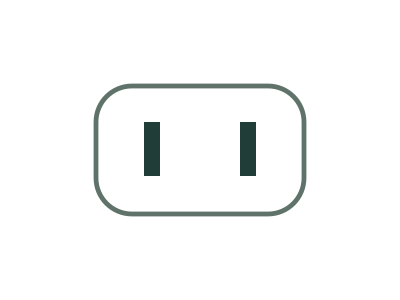
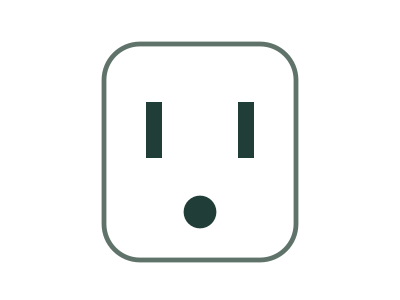
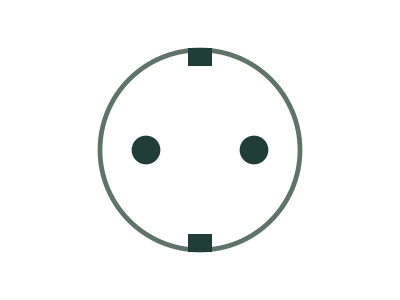
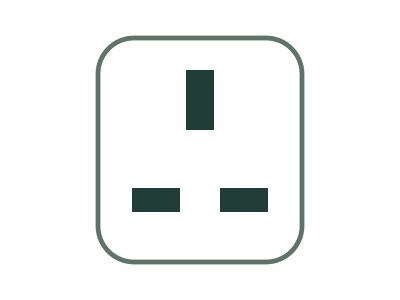
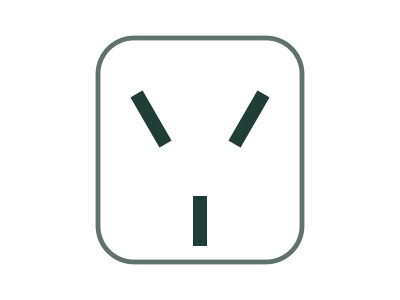
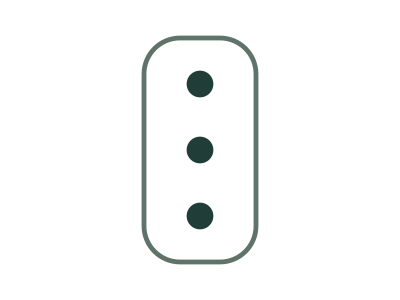
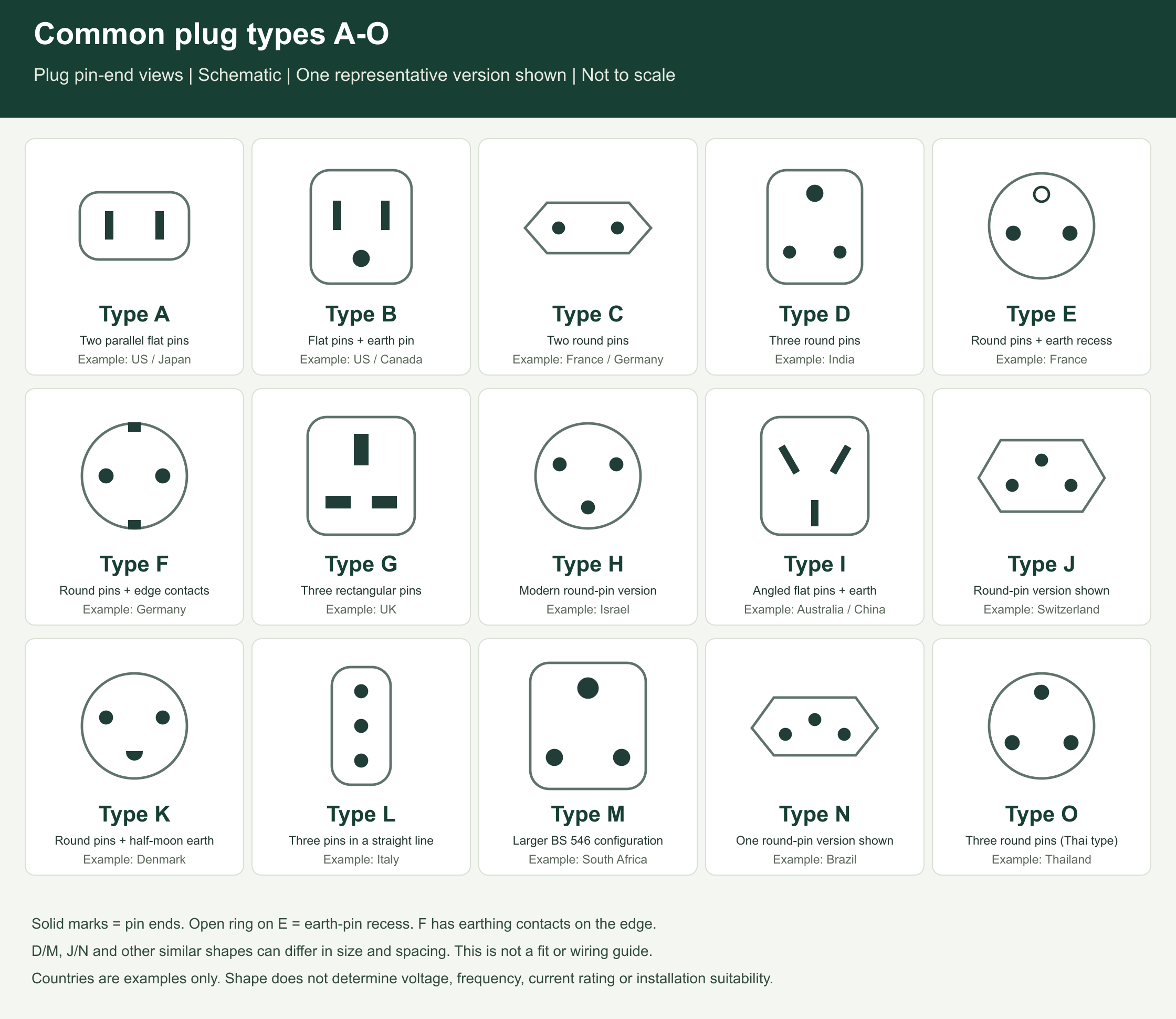
Use this A–O index to compare common plug shapes. These are views of the ends of the plug pins, not socket openings. One representative version is shown for each type; the drawings are schematic and not to scale.
Read the symbols: solid marks show pin ends. The open ring on E is a recess for the socket's earth pin; F has earthing contacts at the edge. Similar shapes can have different dimensions. D/M and J/N should not be treated as interchangeable; L and N have different versions.
Country names are examples, not a complete list or an installation specification. Pin shape does not establish a 110V, 120V or 220–240V supply. Confirm voltage, frequency, current rating and the exact connection separately.
Open the complete plug reference sheet
Original schematic prepared for this guide. Technical cross-checks: BIA plug-type reference, Electrical Safety First destination guides, ESTI Swiss connector reference and Legrand's earthing explanation.
A travel adaptor changes the physical connection. It does not convert voltage or frequency, and some adaptors are unsuitable for equipment that requires an earth connection. Electrical Safety First's adaptor guidance also calls for checking the adaptor's load rating. This guidance does not approve an adaptor for a commercial equipment installation.
| Observation | What remains to check |
|---|---|
| The plug fits the socket | Voltage, frequency, phase, connection rating and protective earth. |
| The voltage matches | Frequency, phase and the other electrical and installation requirements. |
| The listing offers several voltages | Which version will be supplied and what its rating plate and instructions specify. |
| The equipment briefly powers on | Whether the equipment and installation are suitable for the intended use. A short power-on is not a compatibility assessment. |
Some equipment uses a plug connection; other equipment requires a permanent connection. The correct arrangement follows the equipment instructions, its rating, the site conditions and local requirements. Refer any proposed plug replacement or electrical conversion to the supplier and qualified installer before use.
Country and regional references help identify which electrical questions to ask. They do not confirm the supply at a particular building, socket or commercial installation. Different supplies may be available within the same destination, and a country can use more than one plug system.
Use the ITOP regional voltage and plug reference for a quick overview. Then obtain the actual site information and compare it with the equipment requirements. This is especially useful when moving equipment, importing it or supplying several destinations.
Check each electrically powered appliance separately. Equipment bought as a package does not necessarily share one electrical configuration.
Prepare a short record that brings the equipment and site information together:
Use the equipment documentation and confirmed site information. Mark any unknown value as “To confirm” rather than guessing.
Model / product link:
Destination country and city:
Intended location and use:
Equipment rated voltage (V):
Equipment frequency (Hz):
Equipment phase / documented neutral requirement:
Equipment rated power (W or kW) / current (A):
Required plug or connection and rating:
Protective-earth requirements in the documentation:
Site supply and proposed connection, confirmed by the installer:
Rating-plate photo / matching specification or manual:
Quantity:
Questions or details still to confirm:
Obtain accessible exterior information only; do not remove covers or alter connectors to gather it. If the supplied electrical version differs from the agreed configuration, keep the equipment disconnected and resolve the discrepancy with the supplier.
For the wider purchasing process, the OEM and wholesale first-order checklist covers quotation scope and sample confirmation.
No. Confirm the electrical ratings, connection capacity, earthing and installation requirements as well as the plug shape.
A plug adaptor does not convert voltage or frequency. Ask the supplier and a qualified installer to assess any proposed conversion arrangement for the equipment and application.
Country references describe common arrangements. Confirm the actual supply and connection at the intended location, particularly for commercial premises.
The supplier provides the equipment's electrical requirements and supplied configuration. A qualified local electrician confirms the site supply and the suitability of the proposed installation.
When discussing coffee equipment with ITOP, send the destination and available site information, and ask which electrical configuration can be supplied. Mark unknown details clearly so they can be resolved before the order is confirmed.